How much does a talent reset cost in the beta?
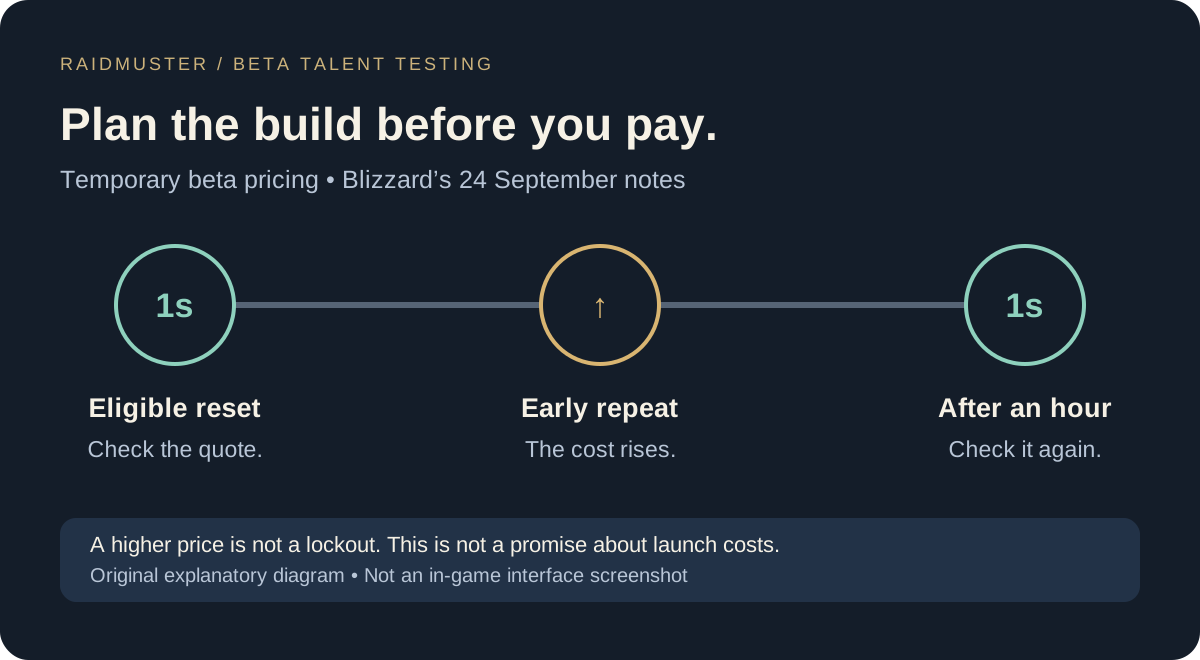
Blizzard’s 24 September development notes set the class talent reset price to one silver when you have not changed talents recently. Another reset soon afterwards costs much more; the price returns to one silver after an hour. This reduction is temporary for the beta. We checked the sources on 29 September; this is a practical guide to that existing change, not a new hotfix announcement.
Wowhead’s testing report puts the next reset within that hour at five gold. Read the price the client offers before confirming a purchase, especially after a new build. Neither that report nor the one-silver beta rule establishes a permanent launch price.
Why did my second respec jump to five gold?
A higher second quote is consistent with the published rule; one silver is not a promise that every immediate reset is cheap. A 25 September player report describes exactly this confusion after a Rogue talent change. The replies point back to the hour-long price reset.
If your budget matters more than changing immediately, pause the purchase and return after the stated interval. Record the time of your last reset and compare the next quote. Avoid repeatedly buying resets simply to test whether the price has fallen: each purchase changes the situation you are trying to check.
The difference between a five-gold quote and a one-silver quote is four gold and 99 silver. That arithmetic explains why planning the next build first can be worthwhile. It does not predict the price of every later reset or a full sequence of rapid purchases.
Choose one question before changing your talents
Start with the class talent guide for your character, then check the current client. Write down the exact point allocation you intend to try. A screenshot of your existing build gives you a reference if you decide to return to it.
Choose a question you can answer in one session: do you enjoy the alternate role, can you manage its resource demands, or does a particular talent change how you approach the same group activity? Keep those questions separate. Trying a new build, new equipment and unfamiliar enemies simultaneously makes the result difficult to interpret.
| Record | Why it helps |
|---|---|
| Build and character level | Talents and available points can change between patches or levels. |
| Allocation before and after | Identify the choice you actually tested. |
| Equipment and activity | Notice other changes that could explain the result. |
| Observed benefit and difficulty | Keep practical notes alongside any performance number. |
| Reset time and quoted price | Plan the next change around the current offer. |
Plan a build test around your guild’s evening
An example session starts with a short check that everyone knows their temporary role, followed by a familiar activity and a brief review. If you want to compare another allocation, allow time for the price interval and check the new quote. That is a suggested testing schedule, not a requirement to keep playing continuously for an hour.
Ask the group for specific feedback: where did you need help, what felt reliable, and which task would you like to practise again? A single low-level experiment can inform your next session without establishing the best endgame spec or a permanent place in a raid composition.
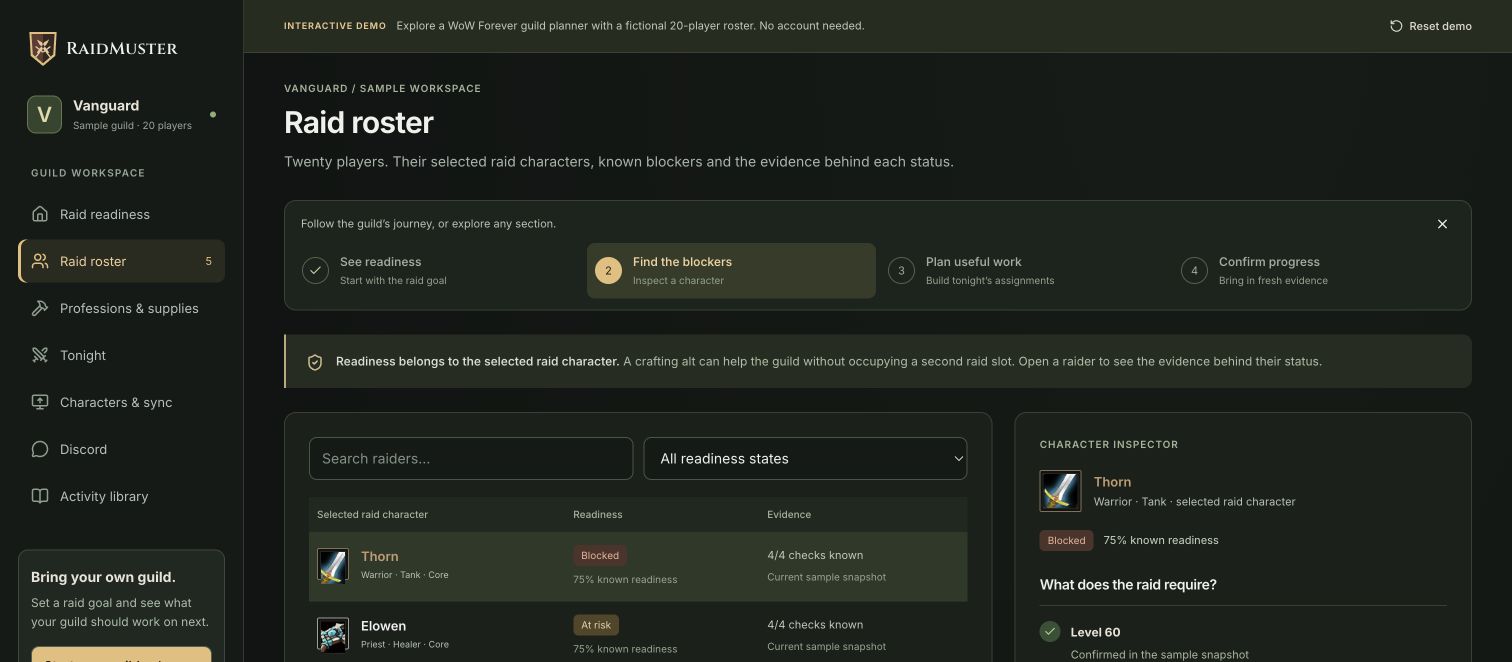
In the guild roster plan, separate a player willing to test healing or tanking from someone who has confirmed that role for launch. Agree who covers the normal responsibility during the experiment. Your raid preparation plan should follow those commitments, not assume a talent purchase makes someone ready for every encounter.
Does this price apply to Legacy resets?
The cited announcement concerns class talents. Do not use its one-silver figure as a quote for resetting Legacy choices or unlocking another system. Check the relevant current interface and our Legacy system guide separately. Keep each cost attached to the action it actually describes.