Which Warrior update should you follow?
Blizzard’s 2 October Warrior post supplements the 1 October build: a Dual Wield Specialization bug skewed testing, prompting another Fury pass.
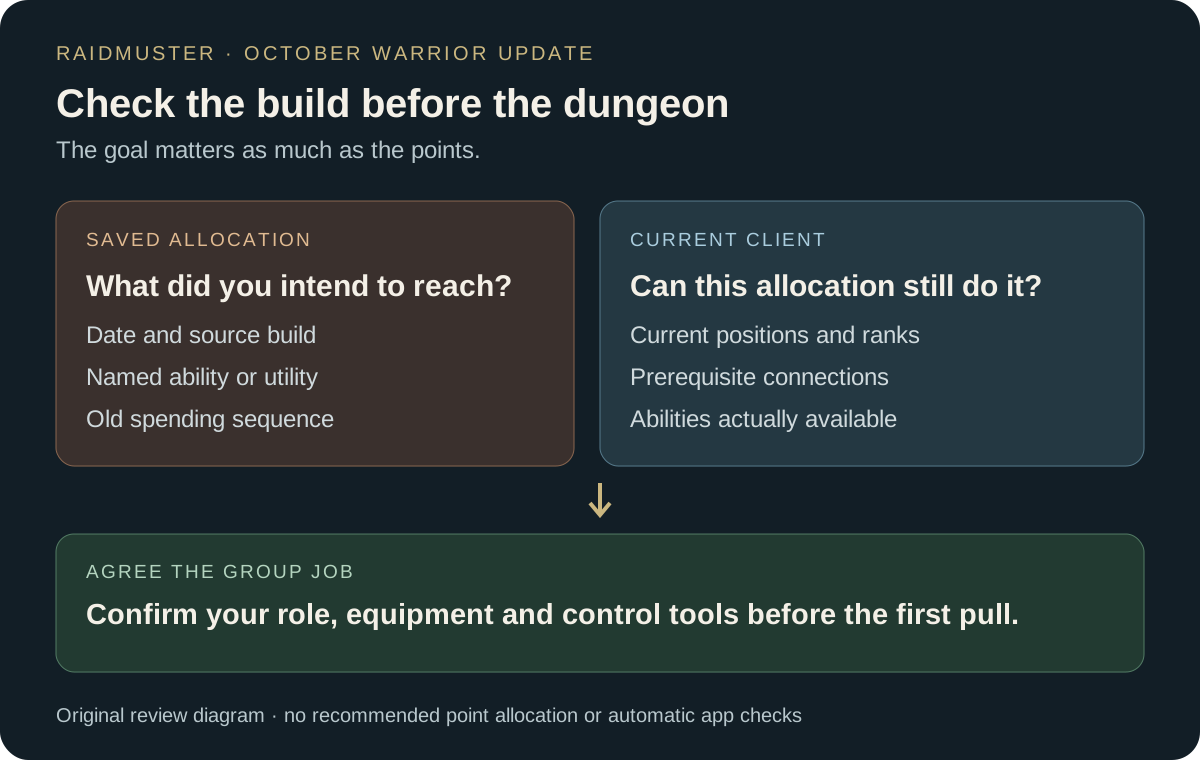
For your next guild dungeon, reopen the talent panel before copying a saved allocation. A familiar name can now occupy a different position or lead to a different talent. The notes describe intended changes; RaidMuster has not independently tested their implementation in combat.
The changes worth checking before spending points
| Ability or talent | Published change |
|---|---|
| Critical strikes | Extra Rage: 100%, previously 75%. |
| Furious Precision | New Fury row 3: off-hand hit chance +4/7/10%. |
| Lingering Rage | New Fury row 2: delays out-of-combat Rage decay by 2/4/6/8/10 seconds. |
| Flurry | Requires Death Wish instead of Enrage. |
| Raging Blows | Cleave and Whirlwind cost 3 less Rage; Whirlwind hits with both weapons without this talent. |
| Berserker Rage | Available at level 30, previously 32. |
| Iron Will / Improved Bloodrage | Both move to Protection row 1. |
| Removed | Improved Cleave, Boundless Rage and Toughness. |
Does 100% extra Rage mean twice the damage?
No. The percentage describes Rage, so it does not establish a damage increase. Keep damage output and resource income separate when assessing a session.
For a useful comparison, keep the weapon, target level and selected talents recorded. Separate normal swings from critical hits in your observations, and compare the same attack category. A busier action bar is encouraging, but it cannot tell you which mechanic changed or whether a particular point investment caused the difference.
Before the rework: why older screenshots can mislead
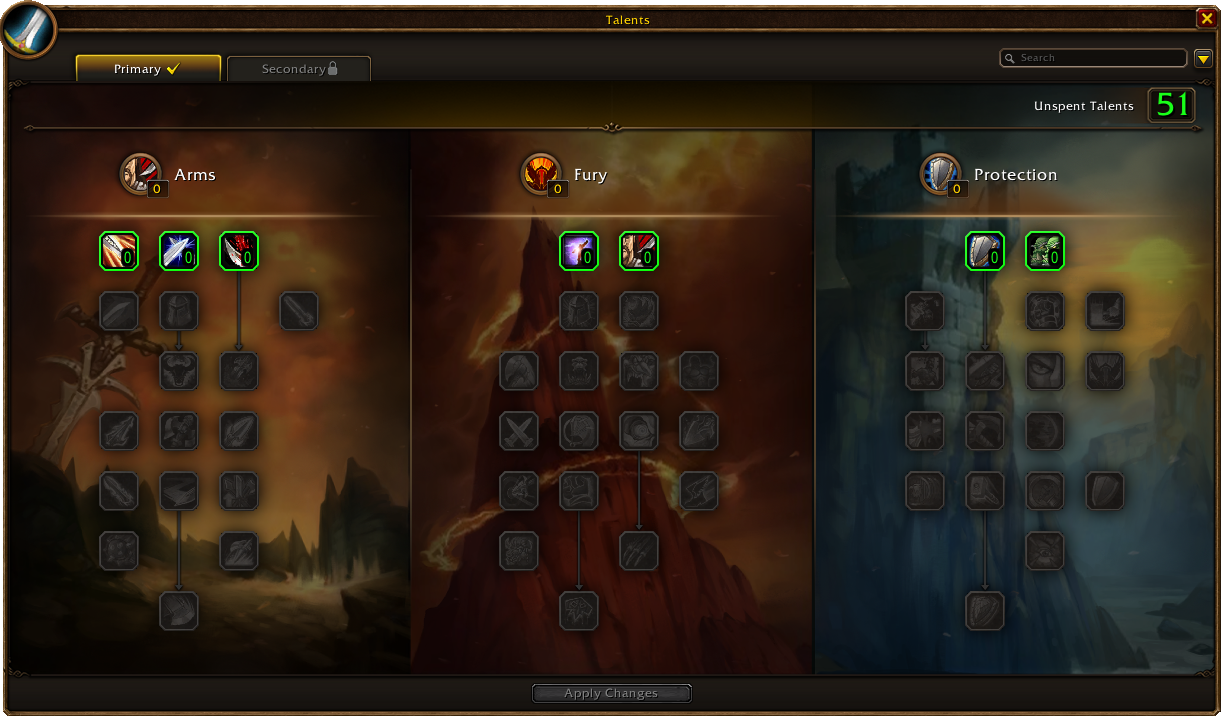
Blizzard’s 30 September screenshot predates the rework. It shows an earlier tree with 51 points available.
A practical check for tonight’s dungeon group
Start with the ability or utility you intended to reach, then trace its current prerequisite and point requirements. If a removed talent appears in your saved instructions, stop following the sequence and rebuild it against the current panel. Replacing the missing points at random can produce a legal allocation that no longer does the job you wanted.
Once the allocation is set, confirm the abilities you actually have on your bars. Tell the group which control tools you can supply and whether you are attending as tank or damage. Spending some Protection points does not by itself establish that you have agreed to tank or brought suitable equipment.
- Damage players: repeat a familiar pull and note target control, downtime and recovery as well as damage.
- Tanks: ask the healer about pressure and check which enemies leave you, rather than judging only your own output.
- Group leader: keep the route and intended pull sizes steady while the Warrior evaluates the new allocation.
Update the guild plan after the check
Keep the player’s confirmed role in your guild roster plan, with the dated allocation and any unresolved behaviour in accompanying notes. Do not turn an encouraging beta run into a promised launch ranking. The useful result is knowing what this character can contribute to your next agreed activity.