What changed in dungeon quest XP?
Blizzard’s 1 October notes halve dungeon quests’ extra XP above normal quest values. The change concerns bonus XP, not every quest’s total reward or experience from dungeon enemies.
Checked on 2 October: this guide explains the distinction and gives your group a way to compare actual sessions. It is not a measured fastest-levelling route. Keep the patch date attached to any older guide or screenshot you use when deciding what to run.
Why a smaller bonus does not mean half the total reward
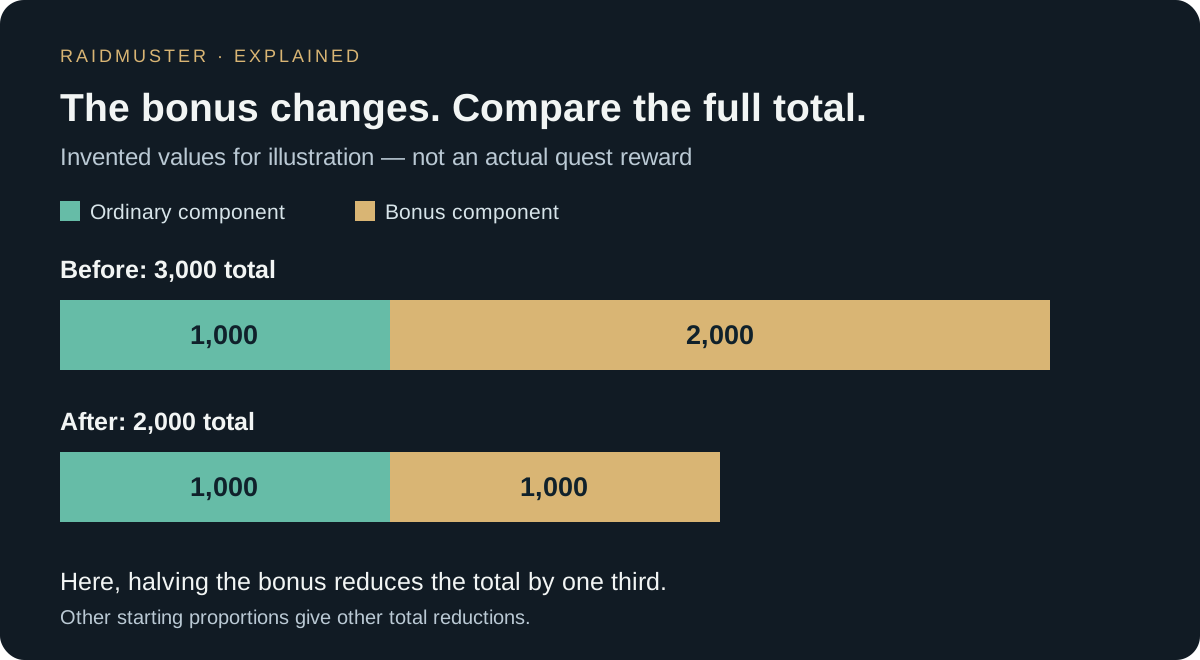
A player explanation in the official forum discussion separates ordinary quest value from the extra award. The diagram below uses our own round numbers to illustrate that interpretation. They are invented teaching values, not rewards from a named quest or a verified internal game formula.
Suppose an old reward contains 1,000 ordinary XP and 2,000 bonus XP: 3,000 total. Halving only the 2,000 bonus leaves 1,000 bonus, giving 2,000 total. The total falls by one third in this example. Its percentage change depends on how much of the original reward was bonus; you cannot obtain every new reward by multiplying the old total by 0.5.
Are dungeon quests still worth doing?
Start with your group’s purpose. A first visit can combine exploration, equipment, quest completion and role practice. A repeat run for experience asks a different question, especially when some members have already completed the available quests. A single reward change cannot settle both decisions.
Before inviting the party, ask which quests each member can accept and where they need to collect them. Include prerequisites and turn-in travel in the plan. Our Hall of Thanes guide shows why those checks matter; the Excavation Site guide covers preparation for the newly available destination.
If your aim is simply to spend an enjoyable hour together, choose a run everyone can join and finish. If the aim is faster levelling, measure it under the current conditions before committing several evenings to the same route.
Compare the whole session, including travel and turn-ins
Use this suggested record for one dungeon outing and one comparable questing outing. Start the timer when the group begins preparing or travelling, and stop after the planned turn-ins. Report both total elapsed time and time spent inside the dungeon so waiting does not disappear from the comparison.
| Record | Reason |
|---|---|
| Date, build and starting level | Keep results tied to the conditions tested. |
| Members, roles and starting quests | Identify differences between first visits and repeat runs. |
| XP gained per character | Record levels crossed and flag capped characters; compare uncapped individuals, not a party total. |
| Travel, waiting, combat and turn-in time | Show which part of the session limited progress. |
| Unfinished quests and group feedback | Explain why a productive run may still need a follow-up. |
Avoid turning one good run into a universal XP rate
For a basic comparison, divide recorded XP gained by elapsed minutes, then multiply by 60. Label the result as your observed session rate. Different starting levels, rested states, quest availability, deaths and travel routes can change the outcome. If several factors differ, repeat under closer conditions before attributing the difference to a patch.
Keep exceptional rewards visible in your notes rather than assuming they recur every run. Also record whether a slower outing helped a member learn to tank or heal: that can be valuable preparation even when its experience rate is lower.
Turn the result into a better guild invitation
Use the guild roster template for attendees and intended roles, then add the destination, meeting point and finish time to your session notes. Name the goal plainly: first exploration, catching up on quests, or a measured repeat run. Members can then choose an evening that fits what they want to accomplish.